
"coffee yield by country"
5000 article(s) found

Do you know what coffee bean trees look like? do you know the varieties of coffee beans?
For more information on coffee beans, please follow the Coffee Workshop (official Wechat account cafe_style) Coffee trees are flowering plants of the genus Rubiaceae, ranging in size from small shrubs to 18 meters tall. Wild coffee species grow irregularly in the tropics, and new species are still being discovered. Strictly speaking, coffee belongs to

How much Brazilian coffee beans yield Brazilian fine coffee beans flavor characteristics brewing parameters Suggestions
Professional coffee knowledge exchange More coffee bean information Please pay attention to coffee workshop (Weixin Official Accounts cafe_style) Coffee varieties, geography and climate environment, soil texture, planting technology, harvesting, processing methods, just like the results of soil cultivation, will directly affect the quality of coffee beans. In addition to Colombia, Brazil is another big coffee country in South America. Brazil is the world

Coffee trees are planted! Coffee Tree Killer: the chaos of Diseases and insect pests (pests)
Professional coffee knowledge exchange more coffee bean information Please pay attention to the coffee workshop (Wechat official account cafe_style) diseases and insect pests can destroy the growth of coffee, a serious epidemic may cause heavy economic losses to farmers, but do you know what pests and diseases are the biggest threat to coffee? How to identify these pests and diseases? What causes coffee disease or attracts pests? Coffee

Introduction to the classification of coffee varieties and the characteristics of coffee variety distribution
Coffee tree is a flowering plant of the genus Coffea of Rubiaceae. At present, there are about 120 species, ranging from small shrubs to 18-meter-tall trees. Wild coffee species grow irregularly in the tropics, and new species are still being discovered. Strictly speaking, there are only two major species of coffee that are cultivated to produce coffee: Arabica coffee (Arabica) and Canifra.

Colombia coffee beans castillo coffee beans is what kind of varieties
Professional coffee knowledge exchange More coffee bean information Please pay attention to coffee workshop (Weixin Official Accounts cafe_style) Front Street-Castillo coffee variety introduction Since the 1950s, catura has been a very common variety in Colombia because its yield exceeds that of traditional iron pica or bourbon. However, while giving more yield, coffee leaves are equally susceptible
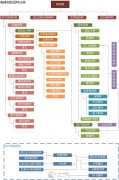
Coffee knowledge Coffee Tree Classification
Arabica Coffee and Variety improvement. What do the so-called families, genera and species of Arabica species mean in biological classification? In terms of biological classification, it is divided into boundary, phylum, class, order, family, genus and species from top to bottom, and the lower part of the species is subdivided into subspecies, varieties and varieties. Arabica coffee is generally thought to originate from the Ethiopian plateau and is widely divided.
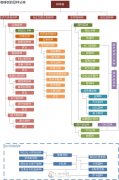
Classification and selection of coffee trees
Arabica Coffee and Variety improvement. What do the so-called families, genera and species of Arabica species mean in biological classification? In terms of biological classification, it is divided into boundary, phylum, class, order, family, genus and species from top to bottom, and the lower part of the species is subdivided into subspecies, varieties and varieties. Arabica coffee is generally thought to originate from the Ethiopian plateau and is widely divided.

The yield of a tree in Robusta the characteristics of Arabica coffee beans
The characteristics of Arabica coffee beans produced by a tree in Robusta the manor introduces that "Arabica" coffee has a varied and broad potential flavor. Arabica coffee produced in different regions, different elevations and different climates usually has its own characteristics and can show a completely different flavor. Arabica coffee smells like grass when it is not roasted.

What are the Arabica coffee beans? how to cook Arabica coffee powder?
For more information on coffee beans, please follow the Coffee Workshop (official Wechat account cafe_style) Coffee trees are flowering plants of the genus Rubiaceae, ranging in size from small shrubs to 18 meters tall. Wild coffee species grow irregularly in the tropics, and new species are still being discovered. Strictly speaking, coffee belongs to

What are the common types of coffee beans? what are the characteristics of the comparison of common coffee beans?
Professional coffee knowledge exchange more coffee bean information please follow Coffee Workshop (Wechat official account cafe_style) Tibica (also known as Typica) Tibica is the native species of all Arabica varieties. It is said that Tibika originated in southern Sudan, flourished in Ethiopia and was finally planted in Yemen for commercial production around the 7th century AD. Emperor
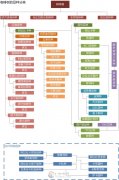
High-quality coffee common sense coffee tree classification selection
Arabica Coffee and Variety improvement. What do the so-called families, genera and species of Arabica species mean in biological classification? In terms of biological classification, it is divided into boundary, phylum, class, order, family, genus and species from top to bottom, and the lower part of the species is subdivided into subspecies, varieties and varieties. Arabica coffee is generally thought to originate from the Ethiopian plateau and is widely divided.

Variety characteristics and stories of coffee beans in Honduras how will the coffee industry in Honduras develop in the future
Honduras may be a relatively small country, but it is an important producer of specialty and general coffee. Depending on which of the six different producing areas you visit, you will find different elevations and microclimates as well as different processing methods used. By 2021, Honduras will become the fourth country to host the producers and bakers forum, which will be the last 10

Thoughts on the Development of Coffee in Yunnan
Yunnan coffee industry has developed rapidly due to the promotion of Yunnan provincial government's ten-year plan and the stimulation of rising international market prices in the past two years: by the end of June 2011, the province's coffee planting area has reached 617000 mu. In 2010-11, despite the impact of last year's drought, the province still achieved 40, 000 tons of coffee output, of which 28400 tons were exported from raw beans.

How does Costa Rican coffee taste? Kaduai coffee is a laboratory hybrid.
Professional coffee knowledge exchange more coffee bean information please follow the coffee workshop (Wechat official account cafe_style) front street-Costa Rica Kaduai varieties introduction Costa Rica mainly to Kaddura (caturra), Kaduai (catuai), etc., there are also many varieties, the most famous is the bourbon variety villa sarchi, which is at high altitude

Bolivia's coffee-producing country with excellent coffee variety-Tibica
Bolivia not only has a unique growing environment, but also has an excellent coffee variety Typica. For 200 years, the coffee varieties in Yangas have been dominated by the ancient Tibica. The Tibica variety has a balanced and soft flavor, with lively aromas and rich acidity. Unfortunately, Tibica's yield is low and its disease resistance is poor, making Bolivia's

Flavor and taste of Honduras San Juan Xido coffee beans with significant increase in yield
Coffee in Honduras is imported from El Salvador. Honduras produces high-acid high-quality coffee. Like other places, the coffee grade in Honduras depends on altitude: caffeine grown at 700 to 1000 meters above sea level is medium, caffeine grown at 1000 to 1500 meters above sea level is superior, and caffeine grown at 1500 to 2000 meters above sea level

Overall soft, slightly sour Salvadoran coffee flavor description baking degree treatment method to record taste yield
El Salvador boutique coffee is concentrated in the volcanic rock producing areas of Santa Ana in the west and Charantanan fruit in the northwest. In recent years, the top 10 cup tests are almost entirely from these two producing areas, with an altitude of about 9-1500 meters, mainly bourbon (68%). Followed by Pacas (29%), mixed-race Pakamara, Dulaai and Kaddura accounted for only 3%. The coffee harvest season has been held since November.

Low yield coffee cultivation conditions Cultivation process and method Introduction
West Africa is the origin of Liberian coffee. It has strong adaptability to various environments such as high temperature or low temperature, humidity or dryness. It is not resistant to leaf rust and its flavor is worse than Arabica. Therefore, it is only traded domestically in some West African countries (Libya, Cote d'Ivoire, etc.) or planted for research. Coffee circulating in the world market
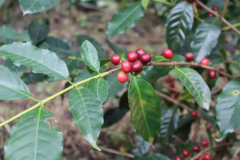
Introduction of coffee varieties in Colombia-introduction of coffee beans produced in the main producing countries in the world.
Like Brazil, Colombia, as the world's main producer, has excellent geographical conditions that are tailor-made for coffee cultivation. Colombia has changed from marijuana as the pillar to coffee as the pillar. With the strong support of the government, especially after the sweep of leaf rust, Colombia has also begun to diversify its coffee varieties. As in other areas, the iron pickup

Katim Coffee characteristics _ Katim Coffee beans English Catimor_ Katim Coffee Price of half jin
Professional coffee knowledge exchange more coffee bean information Please follow the coffee workshop (Wechat official account cafe_style) people crossbreed Arabica seeds with Robusta coffee seeds in order to make use of Luodou's robust and high-yielding genes; there are also natural hybrid varieties that have been screened to produce excellent ones for planting. And then backcross hybrids for many generations, trying to cultivate both delicious and sturdy